

Master of Science in Semiconductor Science and Technology
About This Program
Semiconductors are central to computing, communications, sensing, energy conversion, transportation, health technologies and national security. Their continued development depends on engineers who understand not only how semiconductor devices operate, but also how the underlying materials are synthesized, processed, and characterized, and how the devices are integrated together for specific applications.
The Master of Science in Semiconductor Science and Technology provides an integrated graduate education in semiconductor materials, and its processing, devices, and their fabrication and integration to form the circuits. The curriculum connects the physical principles that govern semiconductor behavior with the practical methods used to create and evaluate electronic materials and structures, including thin-film synthesis, interfaces, micro- and nanofabrication, materials characterization, and solid-state device physics and circuits.
The program is housed in the Mork Family Department of Chemical Engineering and Materials Science and is offered in close collaboration with the Ming Hsieh Department of Electrical and Computer Engineering. Students therefore draw on complementary strengths in materials science and electrical engineering while building a coherent program of study focused on semiconductor technology.
APPLICATION DEADLINE
Fall 2027: January 15, 2027
WHY THIS PROGRAM?
Semiconductors underpin the entire information technology revolution, especially the fast-moving areas such as artificial intelligence and quantum computing; both of which seem to be hardware limited. This program will prepare students to have the necessary breadth and depth of knowledge to pursue a career in these areas.


WHO SHOULD APPLY?
The program is intended for students who want to work at the intersection of semiconductor materials, processing and devices. Applicants may come from materials science and engineering, electrical engineering, applied physics or physics, chemical engineering, chemistry, mechanical engineering, or another closely related technical discipline.
Meet Our Faculty
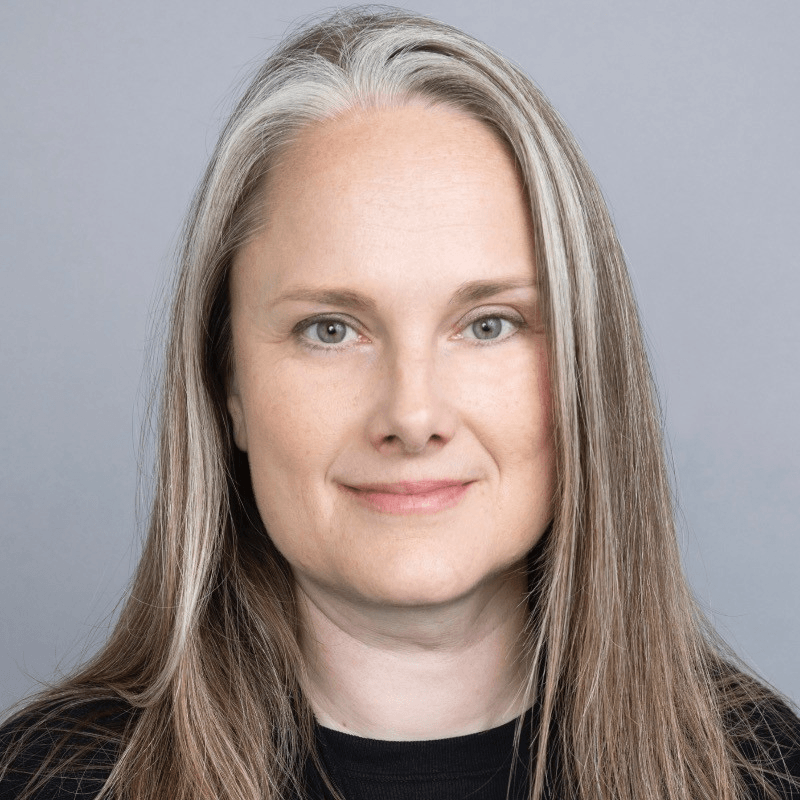
Dr. Michelle Povinelli
View bio →Hide bio ↑
Dr. Michelle Lynn Povinelli is Professor of Electrical Engineering and Physics and Astronomy at the University of Southern California. She is a Fellow of Optica (formerly OSA) and the SPIE.
Povinelli is a recipient of the NSF CAREER Award, the Army Research Office Young Investigator Award, the Presidential Early Career Award for Scientists and Engineers (PECASE), and the TR35 Award for innovators under age 35 from MIT's Technology Review magazine. Her research has been funded by a variety of sources including NSF, ARO, NASA, DARPA, NGA, DOE, private companies, and foundations. She was a member of the 2018-19 class of the Defense Science Study Group.
She received a BA from the University of Chicago, an MPhil from the University of Cambridge, and a PhD from MIT, all in Physics. She was a postdoctoral researcher in Electrical Engineering at Stanford University. She has co-authored >100 journal articles, three book chapters, and three US Patents.

Dr. Rehan Kapadia
Colleen and Roberto Padovani Early Career Chair in Electrical and Computer Engineering, and Associate Professor of Electrical and Computer Engineering
View bio →Hide bio ↑
Professor Kapadia joined the faculty of the University of Southern California in the Ming Hsieh Department of Electrical Engineering in July 2014. He received his bachelors in electrical engineering from the University of Texas at Austin in May 2008, and his Ph.D. in electrical engineering from the University of California, Berkeley in May 2013. During his time at Berkeley, he was a National Science Foundation Graduate Research Fellow, and also won the David J. Sakrison Memorial Prize for outstanding research. He has also won an AFOSR Young Investigator Award (2016), an ONR Young Investigator Award (2021), and the AVS Peter Mark Memorial Award (2020).

Dr. Zhenglu Li
Assistant Professor of Chemical Engineering and Materials Science
View bio →Hide bio ↑
Dr. Zhenglu Li received his B.S. in physics from Fudan University, Shanghai, China, in 2012. He received his Ph.D. in physics from the University of California at Berkeley in 2019. He was a postdoctoral fellow at the Lawrence Berkeley National Laboratory and the University of California at Berkeley from 2019 - 2022. Beginning in 2023, Dr. Li joined the Mork Family Department of Chemical Engineering and Materials Science as an Assistant Professor.
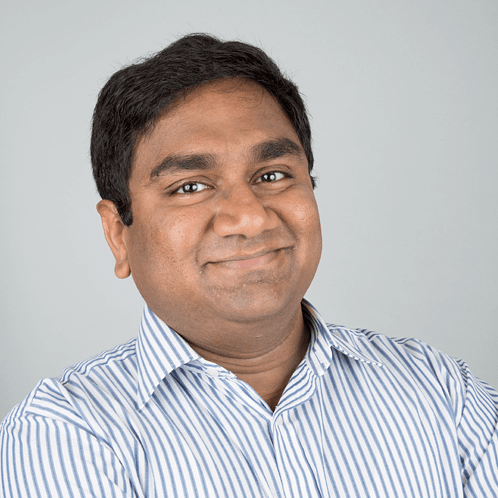
Dr. Jayakanth Ravichandran
Philip and Cayley MacDonald Endowed Early Career Chair and Professor of Chemical Engineering and Materials Science and Electrical and Computer Engineering
View bio →Hide bio ↑
I am interested in the physics, materials science, and applications of emerging complex materials, especially oxides and chalcogenides. Our synthetic capabilities range from bulk ceramic processing, single crystal growth, and thin film growth techniques with in situ structural and chemical characterization methods. My group also specializes in transport measurements (primarily electron transport) over a wide temperature range. Our application interest typically centers on emerging electronic, photonic and quantum device technologies, and energy conversion and production systems such as thermoelectric and photovoltaic energy conversion, and catalytic fuel production.